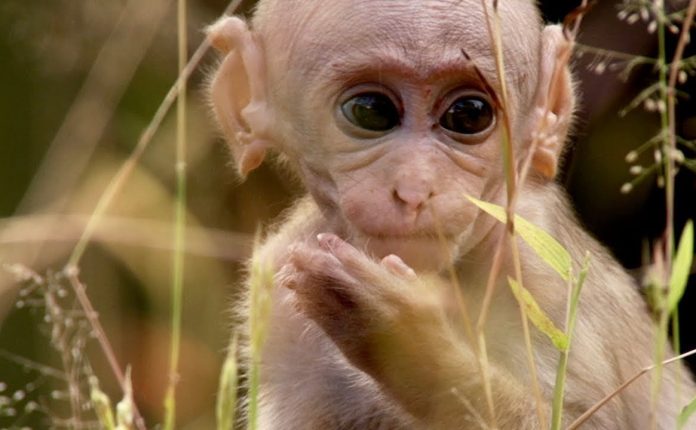
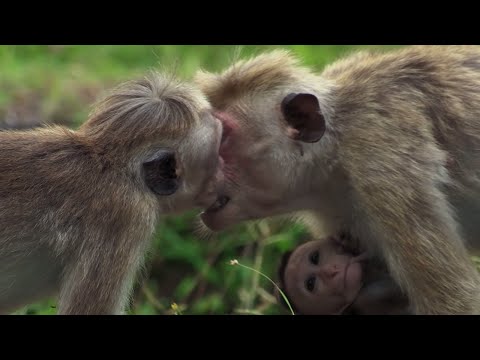
This title refers to a BBC Earth clip showing a young macaque trying to survive within a troop where a strict social hierarchy determines who has power and who must submit. The baby is described as being at the very bottom of the social order and needs to learn how to behave around older, more dominant monkeys.
What is happening?
- The elder macaque acts aggressively toward the baby, creating a stressful social encounter.
- The baby has to read social signals—such as threats, body posture, facial expressions, and movements—to avoid escalating the situation.
- Submission is an important skill. A young macaque cannot simply challenge every older or stronger animal; recognizing when to retreat can help it remain safe.
- Social learning starts early. Macaque infants learn through interactions with their mothers and other members of the troop. Research shows that early face-to-face interactions can promote later social interest and competence.
- Play and aggression both teach social rules. Among young macaques, social interactions help them learn communication, relationships, dominance, and appropriate behavior within their group.